The Jamieson-Fausset-Brown Bible Commentary introduces Isaiah chapter 43 with these words, “Isaiah 43:1-28. A succession of arguments wherein Israel may be assured that, notwithstanding their perversity towards God (Isa 42:25), he will deliver and restore them.” Here are the first 7 verses.
Isa 43:1 But now thus says the LORD, he who created you, O Jacob, he who formed you, O Israel: “Fear not, for I have redeemed you; I have called you by name, you are mine. 2 When you pass through the waters, I will be with you; and through the rivers, they shall not overwhelm you; when you walk through fire you shall not be burned, and the flame shall not consume you. 3 For I am the LORD your God, the Holy One of Israel, your Saviour. I give Egypt as your ransom, Cush and Seba in exchange for you. 4 Because you are precious in my eyes, and honoured, and I love you, I give men in return for you, peoples in exchange for your life. 5 Fear not, for I am with you; I will bring your offspring from the east, and from the west I will gather you. 6 I will say to the north, Give up, and to the south, Do not withhold; bring my sons from afar and my daughters from the end of the earth, 7 everyone who is called by my name, whom I created for my glory, whom I formed and made.”
It seems that fear and anxiety are on the increase throughout the world. There may be many good reasons why that is so. We know that the nation of Israel has had many reasons to fear throughout its existence. The words of Isaiah 43 were addressed to those Israelites who had been taken captive to Babylon. God promised the exiles that in spite of their rebellion against Him, He would return them to their own land. These words in Isaiah 43 reminded them that God could be trusted to care for them, so there was no need for them to be afraid. This is what God promised through Isaiah.
1]. Fear was unnecessary because they owed their existence to His creative power.
Isa 43:1 ‘But now thus says the LORD, he who created you, O Jacob, he who formed you, O Israel: “Fear not, for I have redeemed you; I have called you by name, you are mine.”’ In this single verse God encourages them with how he sees them. Not only did He create them but He also “formed” them. The same word is used of creation in Genesis 2:7, “then the LORD God formed the man of dust from the ground and breathed into his nostrils the breath of life, and the man became a living creature.” It is also used later in Isaiah 44:2 to remind them that He had made them, formed them and would continue to help them, so there was no need to be afraid. ”Thus says the LORD who made you, who formed you from the womb and will help you: Fear not, O Jacob my servant, Jeshurun whom I have chosen.” Not only that but He had redeemed them. “Redeemed” is from the Hebrew [gâ’al] and is used over 100 times in the Bible to describe God’s redemptive work in setting His people free.
The final phrases in the verse are “I have called you by name, you are mine.” Israel was special. He had formed the nation for Himself to fulfil His purposes and would be with them even when they went through dangers like waters, rivers and fire. [verse 2]. There was no need to fear! They belonged to Him!
2]. Fear was unnecessary because God loved them.
Isa 43:4 “Because you are precious in my eyes, and honoured, and I love you, I give men in return for you, peoples in exchange for your life.”
How precious it is to be told by someone, “I love you!” Perhaps the lives of most of us were changed when that special person in our lives first said to us, “I love you!” And when they loved us from that day on. Especially significant is it when it is the God of the whole creation who says that to us. Even though they were unworthy He still saw them as being precious and honoured. “Honoured” is the Greek word [doxazō] which can be translated as extol, magnify, glorify. Even though God Himself is the only one deemed to be worthy of glory, honour and praise, He wanted them to know He saw them as exulted in His sight. It is a reminder to us in the present day not to engage in any anti-semetic language or activity, for God is always on the side of His people. He loves them!
It would seem that because of the special purpose God had for His people and as a reward for releasing the Jewish captives, Persia was enabled by God to conquer Egypt. “I give men in return for you, peoples in exchange for your life.” It was a fulfilment of the promise in Genesis 12 when God chose Abraham to begin a nation belonging to Him, “The Lord had said to Abram, “Go from your country, your people and your father’s household to the land I will show you. 2 “I will make you into a great nation, and I will bless you; I will make your name great, and you will be a blessing. 3 I will bless those who bless you, and whoever curses you I will curse; and all peoples on earth will be blessed through you.” Genesis 12:1-3. Persia was blessed by God for its kindness to His people.
3]. Fear was unnecessary because God who was with them would bring them back to their own land.
Isa 43:5 “Fear not, for I am with you; I will bring your offspring from the east, and from the west I will gather you. 6 I will say to the north, Give up, and to the south, Do not withhold; bring my sons from afar and my daughters from the end of the earth, 7 everyone who is called by my name, whom I created for my glory, whom I formed and made.”
The people of Israel [God’s people] would be able to return to their own land by God’s actions on their behalf. The word for “called” in verse 7 is different from called in verse 1. It is [epikaleomai meaning to place one’s name upon people]. God had called Israel to belong to Him as His people, indeed His children. They were God’s own people. He had placed His name was upon them. They were His!
The words here [such as created, formed, made and called] are similar to those in verse 1. But what is added here are the words, “whom I created for my glory.”
That is why God chose His people, to bring glory to Him by the way in which they lived, as Jesus said, “In the same way, let your light shine before others, so that they may see your good works and give glory to your Father who is in heaven.” Mat 5:16. When believers live as they should, in obedience to the Lord, they will bring glory to the Lord, not to themselves. That should always be the motivation in the hearts of all believers, to bring glory to the Lord, not to themselves.
These words in Isaiah 43 apply to the whole of the True Israel, all those who have received God’s Saviour Jesus Christ into their lives throughout the ages. And it is great to know that the glory in our lives can increase so that God is more glorified through our lives committed to Him. This happens when our eyes are fixed on Jesus, the author and finisher of our faith [Heb 12:2]. As we gaze at Him in adoration and praise, we are changed, “And we all, with unveiled face, beholding the glory of the Lord, are being transformed into the same image from one degree of glory to another. For this comes from the Lord who is the Spirit.” 2 Cor 3:18. (As I write this article on Transfiguration Sunday in the ehurch year, I note that the word used here for “transformed” is [metamorphoō] which is exactly the same as is used of Jesus being transformed on the Mount of Transfiguration.) It is the Holy Spirit within us who brings about that radical transformation in our lives. Becoming more and more like Him – to His glory!)
How wonderful it is that we have the incredible privilege of reproducing in our own lives, the glory of Jesus as we live for Him in our everyday lives! Because He has said to His people, “Fear not! I am with you!” and especially those wonderful words, “I love you!”
Blog No.467 posted on Sunday 19 February 2023.





























 holbeck
471. The Hoped-for Gentleness of Christian Ministry. 1 Thessalonians 2:1-12
One often wonders why some churches continue to grow while others grow less in numbers and influence. It seems that much has to do with the type of ministry being exercised in those parishes. Often one hears of an overbearing minister who wants everyone to be subservient to him and whose way has to be followed, or else! However the ministry we see being exercised by St Paul in his writings shows a humility that points to a reason behind successful ministries.
One of the most memorable sayings in the writings of St Paul is this, “To the weak, I became weak, that I might win the weak. I have become all things to all people, that by all means, I might save some.” 1 Corinthians 9:22. He was willing to adapt and change his approach when necessary to ensure that his ministry was successful.
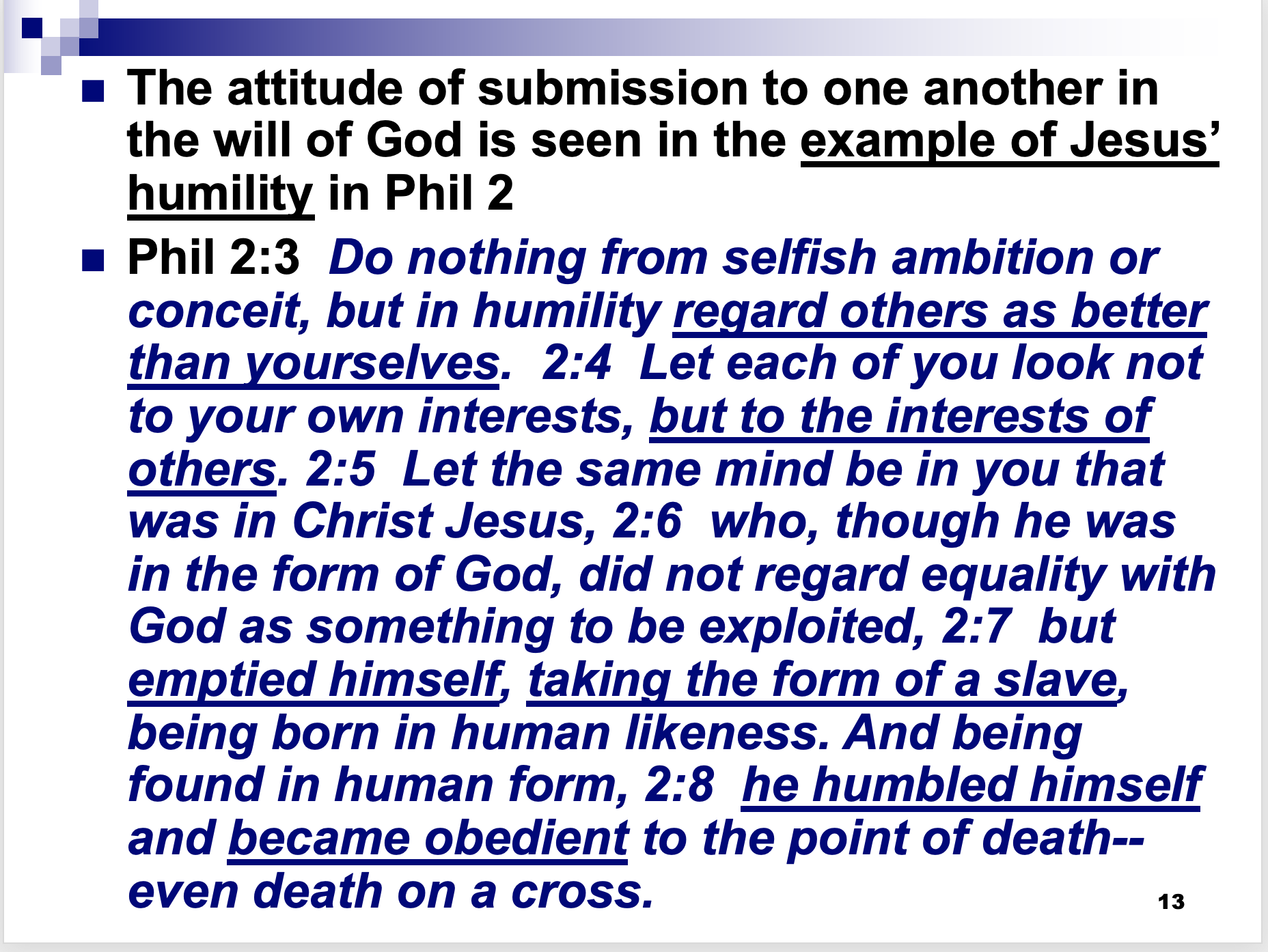
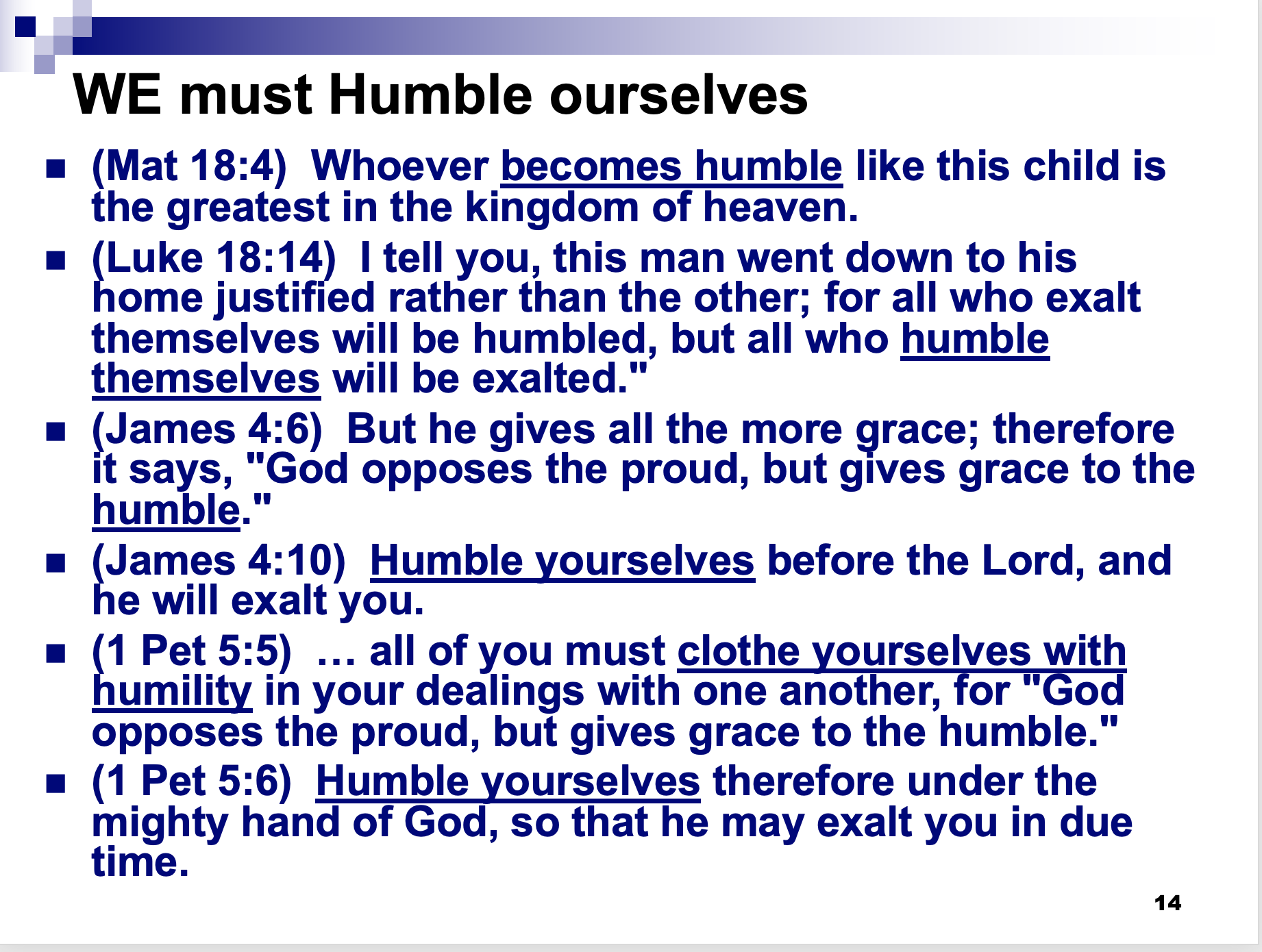
St Paul’s motivation in life and ministry was to minister appropriately to those amongst whom he came. That meant behaving towards them in a whole range of ways that were appropriate for the times he spent with them. He treated them as if they belonged to the same family as himself. That meant humbling himself among them and treating them with the gentleness of a child. It meant caring for them with the care a nursing mother would show towards her own child. It also meant encouraging them like a father would, to walk in a manner worthy of God’s calling them to be His children. We read about this in 1 Thessalonians 2:1-12.
1]. He Became Like A Child Among Them. [2:7]
The NIV translates verse 7 as, “Instead, we were like young children among you. Just as a nursing mother cares for her children.” [1Thess 2:7.] This translates the phrase [all’ egenetheme νηπιοι nepioi] we became (young children) among you.] The word νηπιοι (nepioi) means infants, babes or young children. Thus “we became as young children.”
The NASB and other translations are based on another variant text [all’ egenetheme ἤπιος, ēpios] where epios is missing the letter “n” from nepioi and means mild, kind or gentle. Thus NASB “But we were gentle among you.” In a sense, the two variants mean the same. Paul was among them like a young child being gentle and non-threatening to them and not seeking to impose his authority upon them. This is what the previous verse implies, “Nor did we seek glory from people, whether from you or from others, though we could have made demands as apostles of Christ.” 1 Thess 2:6.
Paul came amongst them with a gentleness of a young child, not seeking to exercise authority over them but seeing himself as a member of the same family. As he wrote later in the epistle, he recognised that, before God, he and they were all children, indeed children of God, children of light. “For you are all children of light, children of the day. We are not of the night or of the darkness.” 1 Thess 5:5.
2]. He Became Like A Mother Among Them. 2:7-8.
1Thess 2:7-8 “But we were gentle among you, like a nursing mother taking care of her own children. 8 So, being affectionately desirous of you, we were ready to share with you not only the gospel of God but also our own selves, because you had become very dear to us.”
Paul exercised the gentleness of a nursing mother towards her own child. In the same way that a mother cares for her children and shares her own body with them, so St Paul had given of himself in ministry to them. His care for them resembled that of a mother exercising protection and care for her children. It was because he was “affectionately desirous” of them and because they had “become very dear” to him.
3]. He Became Like A Father Among Them. 2:11-12
“For you know how, like a father with his children, 12 we exhorted each one of you and encouraged you and charged you to walk in a manner worthy of God, who calls you into his own kingdom and glory.” 1 Thess 2:11-12.
Paul now moves from the maternal side of his care for the Thessalonian believers to make mention of the paternal side of his care. It was in 3 areas, exhortation, encouragement and challenge.
i]. Exhortation. [from parakaleō]. This means to beseech, comfort, exhort, pray, intreat, beseech.
We know that the Holy Spirit is called the Paraclete [the one called alongside to help] from the same root origin and thus He is called the encourager, the exhorter, the counsellor, the comforter, the advocate. Paul was being the Holy Spirit’s instrument in his exhorting ministry to the Thessalonians.
ii]. Encouragement. [From paramytheomai (para = to the side of) and (muthos = speech) meaning to speak to, address one, whether by way of admonition and incentive, or to calm, to encourage, to console. The word is found 4 times in the New Testament,
iii]. Challenge. Paul had charged them. “[I] charged you to walk in a manner worthy of God, who calls you into his own kingdom and glory.” [“Charge” is from martyromai, to call to witness; to make a solemn affirmation or declaration, to make a solemn appeal.] Paul was exhorting, encouraging and challenging the Thessalonian believers to live lives that showed they respected the fact that God had called them to live for Him. Their lives had to be worthy of God where “worthy” [axios] means as becometh, appropriate, suitable. “Worthy” is seen in other verses, as worthy of the saints [Rom 16:2], of their calling [Eph 4:1], of the gospel of Christ [Col 1:10].
So in these verses we have a pattern for ministry that will be successful under God. There will be times when we need to humble ourselves before God and recognise that we and those to whom we minister are all children before God and that we need to be gentle towards those in our charge. At all times we have to have like a mother’s care towards her child, being willing to give ourselves in our care for them. We also need people to be like fathers exhorting, encouraging and challenging those under our care to live in a way that brings glory to God, while being affectionately desirous of them, and their being very dear to us.
Blog No.471 posted on Sunday 26 March 2023.